
How Long Does Podcast Production Take? A Realistic Guide
Podcast production typically takes four to seven hours per episode for solo shows and six to ten hours for interview formats.
Time is split across pre-production (one to five hours), recording (the episode length plus setup), post-production and editing (one to two hours per 30 minutes of audio), and show notes plus publishing (one to two hours). New podcasters should expect early episodes to take longer as workflows develop, while experienced podcasters with streamlined systems work faster.
One of the most common questions people ask before they start a podcast is how long does podcast production actually take.
It's a reasonable thing to want to know before committing to a weekly publishing schedule, and the honest answer is that it depends, but not in a way that's unhelpful.
The variables that determine how much time podcast production takes are well understood, and knowing them in advance allows you to plan a process that is sustainable rather than one that quietly burns you out after a few episodes.
This guide breaks down every stage of podcast production, from planning to publishing, and gives you a realistic picture of the time commitment involved at each point.
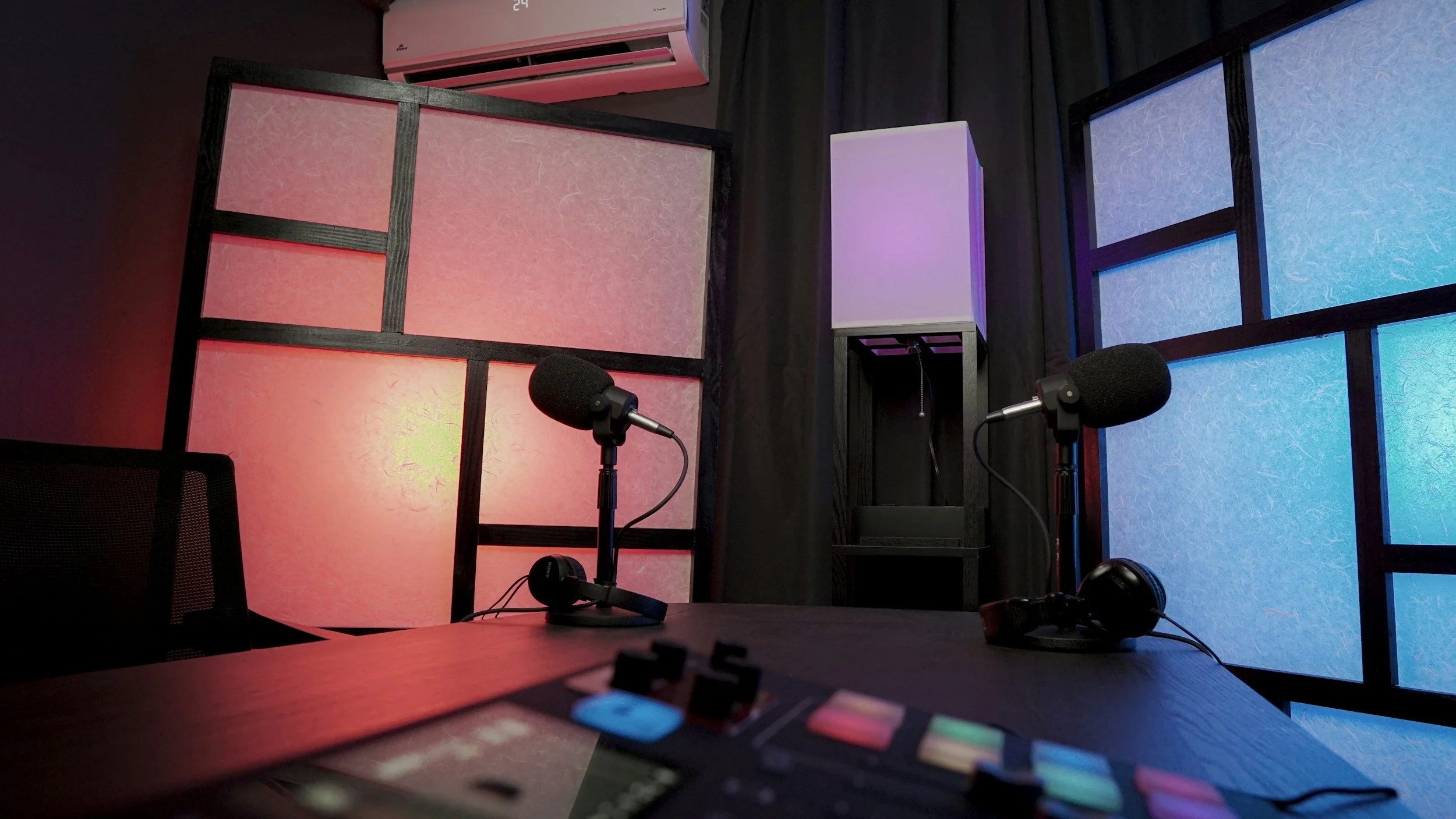
Table of Contents
Why Podcast Production Takes Longer Than Most People Expect
Most people underestimate how long it takes to produce a podcast because they think about recording time and nothing else. Hit record, talk for thirty minutes, publish. In practice, recording is often the shortest part of the entire process.
A finished podcast episode is the result of several distinct stages, each of which takes time to complete well.
Understanding those stages, and how the time spent at each one varies depending on your format, experience, and production values, is the starting point for building a production workflow that actually works.
Long podcasting takes most new podcasters by surprise, not because any single stage is overwhelming, but because the cumulative time commitment across all of them adds up faster than expected.
Stage One: Pre Production
Pre-production is everything that happens before you record, and it is one of the most undervalued stages of podcast production. The time you invest here directly reduces the time you spend fixing problems later.
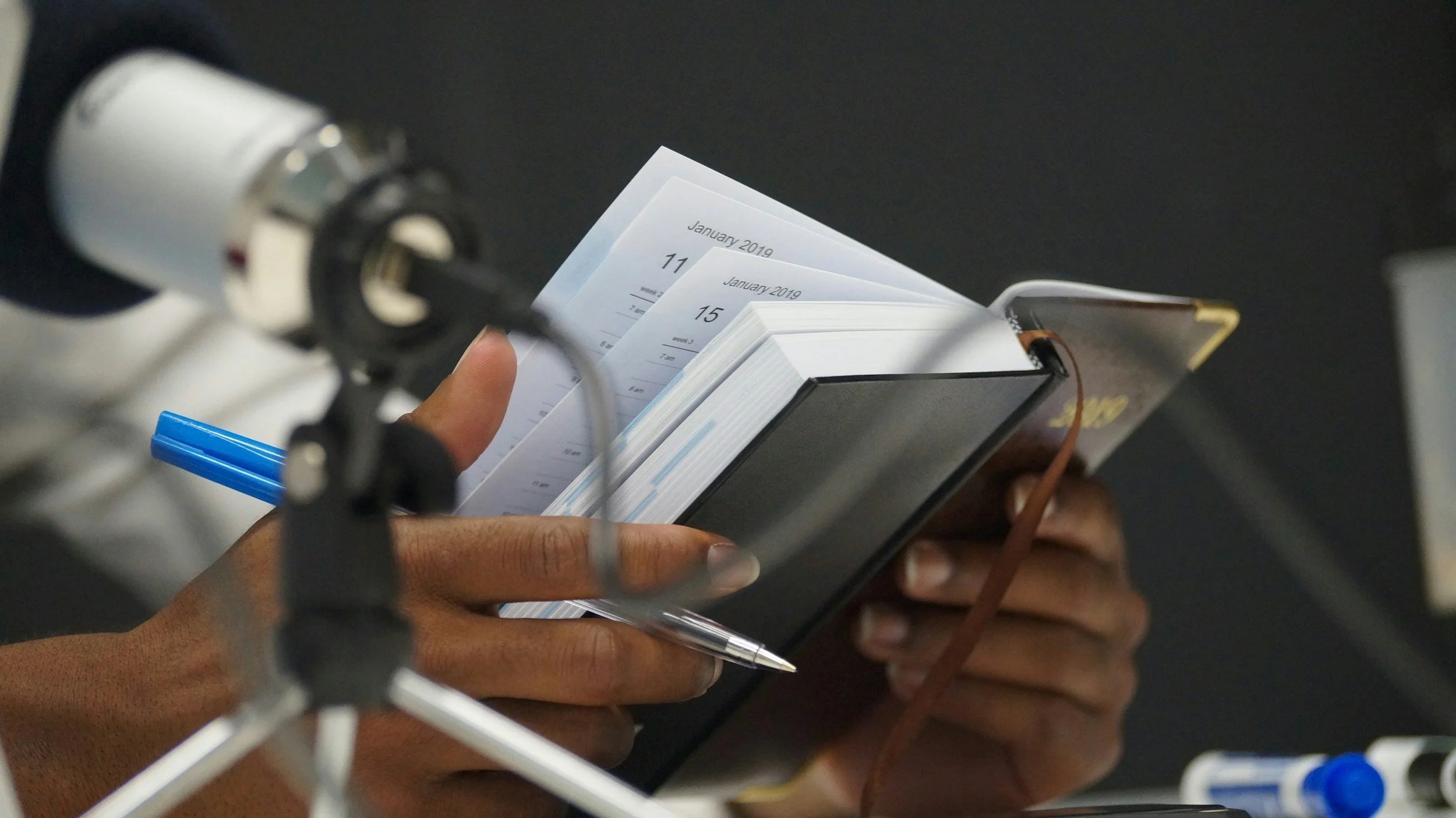
For a solo podcast, pre-production typically includes researching the episode topic, planning the structure, writing notes or a loose script, and preparing any supporting material the episode will reference.
Depending on how deeply you research and how detailed your planning tends to be, this stage can take anywhere from one to three hours per episode.
For interview shows, pre-production expands considerably. Booking guests, conducting background research on each guest, preparing interview questions, and handling the logistics of scheduling all sit within this stage.
Booking guests alone can involve multiple rounds of communication spread across several days, and conducting interviews requires preparation that goes beyond the conversation itself. For a well-prepared interview episode, pre-production can reasonably take three to five hours before recording begins.
The investment in pre-production pays for itself. Episodes that are properly planned tend to record more cleanly, require less editing, and deliver a more coherent experience for the audience.
Stage Two: Recording
Recording is the stage most people focus on when thinking about how much time podcast production takes, but in many workflows, it is not the most time-consuming part of the process.
For a solo episode, recording time is broadly equivalent to the episode's length, plus a reasonable allowance for false starts, retakes, and the kind of natural pauses and resets that happen in any recording session.
A thirty-minute episode might take forty-five minutes to an hour to record comfortably. A longer episode scales accordingly.
For interviews and co-host formats, setup time adds to the recording duration. Testing audio levels, confirming both sides of the conversation are recording cleanly, and settling into the flow of the discussion all take time before the useful recording begins.
The quality of your recording environment makes a significant difference here. A quiet, well-treated space reduces the number of takes and interruptions, which shortens recording time.
For remote interviews specifically, the platform you record on matters too. Riverside.fm records each participant locally at full fidelity rather than relying on a compressed internet connection, which eliminates the audio inconsistencies that create extra work in post production. For interview shows where guest audio quality varies, that kind of infrastructure saves time at every subsequent stage.
Stage Three: Post Production and Editing
Post-production is where most of the time in podcast production is spent, and it is the stage that surprises new podcasters most consistently.
Editing a podcast episode involves more than removing long pauses and obvious mistakes.
It includes balancing audio levels across the episode, removing background noise and distracting sounds, tightening the pacing of the conversation, adding intro and outro music, incorporating any sound effects or music beds, and ensuring the final edits produce a listening experience that feels polished and intentional.
The ratio of editing time to episode length varies depending on production values and how cleanly the episode was recorded, but a reasonable working estimate for most podcasts is one to two hours of editing for every thirty minutes of finished audio.
An episode with minimal editing needs a clean recording, a focused conversation, a simple format, and might be processed in closer to one hour. A complex interview with multiple audio files, uneven levels, and heavy clean-up could take three hours or more to edit well.
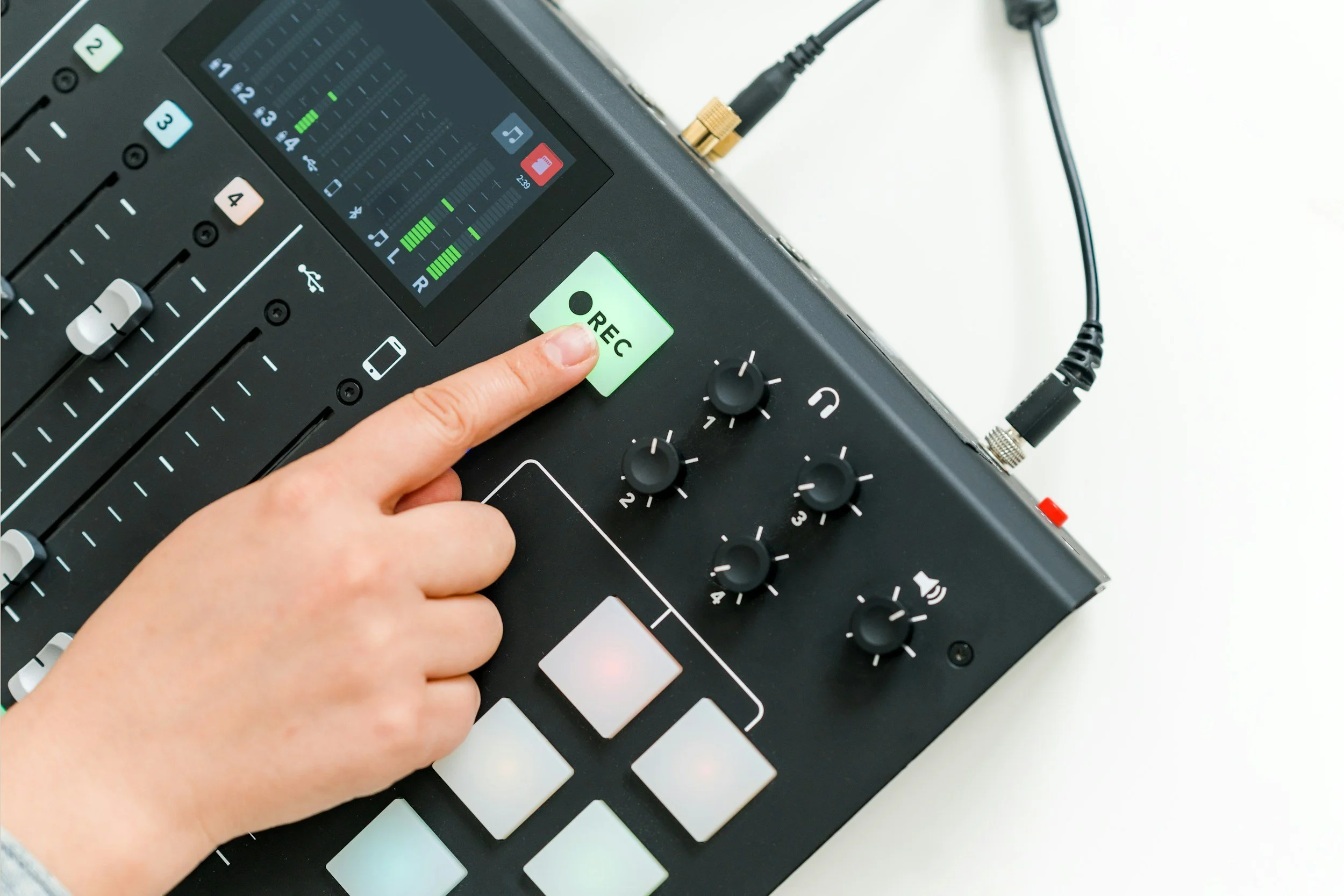
Editing software plays a role in how efficiently this stage runs. Tools with noise reduction, automatic level matching, and AI-assisted editing reduce the manual effort involved, particularly for podcasters without a background in audio production.
For podcasters producing regular episodes on a consistent schedule, that kind of automation can save hours per episode across a full production month.
The steep learning curve of audio editing is real, and it is worth factoring in for new podcasters who are handling post-production themselves. The first several episodes will take longer than later ones as the process becomes familiar.
Building in extra time during the early weeks prevents that learning curve from disrupting the publishing schedule.
Stage Four: Show Notes, Publishing and Distribution
Once the episode audio is finished, there is still a meaningful amount of work before the podcast is live and in front of its audience.
Show notes are one of the most time-consuming parts of this stage.
Well-written show notes serve both the listener and the search engine as they provide a clear summary of the episode, include relevant links and resources mentioned in the conversation, and give the episode a searchable presence beyond the audio itself.
Writing good show notes for a thirty-minute episode typically takes between thirty minutes and an hour, depending on how detailed they need to be and whether any additional research is required.
Publishing includes creating the audio files, uploading to the hosting platform, writing episode titles and descriptions, tagging episodes correctly, and scheduling the release.
This stage also includes creating any social media assets like short clips, quote graphics, or promotional posts that will accompany the episode's release. Across all of these tasks, the publishing stage typically takes one to two hours per episode.
Background music, if it requires selection or licensing decisions for each episode, adds a small amount of time here, too.
Having a consistent intro and outro in place from the beginning of the podcast removes this as a recurring decision and saves time across the production process.
How Much Time Does It Take to Produce a Podcast Per Episode?
Pulling all of these stages together gives a clearer picture of the total time commitment involved to produce a podcast episode from start to finish.
For a straightforward solo podcast episode of around thirty minutes in length, a realistic total production time sits between four and seven hours per episode, spread across pre-production, recording, editing, and publishing.
For an interview format of similar length, the total time to produce is typically higher, often between six and ten hours per episode, because booking guests, preparing interview questions, conducting interviews, and managing multiple audio files all add time at every stage of the process.
These figures assume a reasonably experienced podcaster working with a settled workflow. New podcasters should expect the early episodes to take longer as they develop their process, and experienced podcasters with streamlined systems may work faster.
The format, production values, and episode's length all influence the final number.
How to Reduce Production Time Without Reducing Quality
There are several practical ways to save time in podcast production without compromising the experience for your audience.
Batching episodes by recording multiple episodes in a single session reduces setup time and allows for more efficient use of recording days.
Creating templates for show notes, episode descriptions, and social media posts removes the need to start from scratch each week.
Investing in editing software that automates repetitive tasks shortens post-production without requiring technical skills to produce a high-quality podcast.
Planning each episode with enough detail before recording also pays dividends throughout the process.
The more clearly structured the pre-production, the cleaner the recording and the less time spent in post-production, removing the evidence of unclear thinking.
Final Thoughts
How long does podcast production take? For most podcasters producing regular episodes, the honest answer is more time than they initially expected, but also a manageable amount of time once the process is properly planned and the workflow becomes familiar.
Understanding how much time each stage requires allows you to build a realistic production schedule rather than an aspirational one.
It helps you decide which parts of the process to handle yourself and which to outsource. It also ensures that the time commitment of podcasting is something you go into with clear eyes, rather than something that catches you off guard three episodes in.
Podcast production is a long process, but it is also a learnable one.
The podcasters who sustain it are the ones who understand what it takes and plan accordingly from the very beginning.
Work With Red 11 Media
If podcast production is taking more time than you have available, or you want support building a process that produces consistent, professional episodes without the overwhelm, Red 11 Media is here to help.
From editing and post-production to full podcast management, we work with creators and businesses who are serious about sounding great and showing up consistently.
Frequently Asked Questions
-
New podcasters should expect to spend hours on tasks that become much faster with repetition. Editing, writing show notes, and learning publishing platforms all take longer at the start. Building extra time into the first few weeks makes sense rather than committing to a schedule that assumes experience you haven't yet built.
-
Used sparingly, sound effects add very little to production time. Used heavily throughout each episode, they require considerably more attention during editing. For most podcasts, sound effects are worth including only where they genuinely serve the listener rather than adding production complexity for its own sake.
-
Less than most people assume. Free editing software, an affordable microphone, and a free hosting tier are enough to produce a podcast at a solid standard while the show finds its footing. Spending money on upgrades makes more sense once the audience is growing and the return on that investment becomes clear.
-
It does. A target audience that expects detailed research, polished audio, and structured show notes will naturally demand more production time than one that responds well to a loose, conversational format. Understanding what listeners expect shapes every production decision from the very beginning.
-
Yes. Having three to five finished episodes ready to upload before launch removes the pressure of creating something new every week from day one, gives new listeners content to explore immediately, and provides a buffer for weeks when production time runs short.
-
Format and music are closely connected. A solo educational podcast suits understated music that frames the voice without competing with it. An interview format often benefits from something slightly more energetic. The music becomes part of the podcast's identity over time, so taking a bit of extra time to choose something that genuinely fits the show and the audience is worth the effort.
-
Check microphone levels, confirm the recording environment is quiet, and run a short test recording before committing to a full session. For interview episodes, verify both sides are capturing clearly before the conversation begins. These technical details take only a few minutes to check and prevent problems that would otherwise take much longer to fix in post production.
-
Templates and scheduling. Creating reusable structures for show notes, episode descriptions, and social media posts removes the need to start from scratch each week. Scheduling uploads in advance through the hosting platform means episodes go live automatically, keeping the publishing stage of creating and distributing each episode brief and predictable.

Red 11 Media is an educational platform and creative studio focused on driving growth online through strategic content creation. We help creators, brands, and businesses understand how to build sustainable audiences across YouTube, podcasting, and long-form digital content.